
Progression
BeastLink progression explained — earn serum, Link with dormant Beasts, invest in character and Kaiju trees, and spend never-purchasable Credits.
Introduction
Progression is how you build lasting power in BeastLink across matches. At the center of the system is serum, the resource you earn during every match by destroying targets, securing objectives and contributing to your squad. Serum is spent to Link with dormant Beasts, making it both a match resource and a key to the game’s signature mechanic. Around serum sits the broader progression economy: character and Kaiju progression trees that tailor your playstyle, and Credits, the in-game currency that Grove Street Games has promised will never be available for purchase. Understanding how these systems interact — when to save serum, how to invest in progression trees, and what Credits unlock — lets you build a loadout and Beast pool that matches how you want to play.
Progression Systems Overview
| System | How It Works | Unlocks |
|---|---|---|
| Serum | Earned in matches by combat and objectives | Links with dormant Beasts |
| Link System | Spend serum to control a Beast mid-match | Beast playstyle |
| Character Progression | Progression trees tailored to your role | Loadouts, perks, abilities |
| Kaiju Progression | Invest in your Beast pool | Beast abilities and upgrades |
| Credits | In-game currency, never purchasable | Content through play |
Progression Paths
Serum Economy
The core match resource — earn it, save it, spend it to Link.
Link System
The signature mechanic — bond with a dormant Kaiju and control it.
Progression Trees
Character and Kaiju trees that tailor your playstyle over time.
Credits
Never-purchasable currency — everything unlockable through play.
Kaiju Progression
Invest in your Beast pool — stronger Beasts and better abilities over time.
Core Mechanics
The progression mechanics of BeastLink connect your performance in individual matches to your long-term power. Every match, you earn serum through combat and objectives, and that serum funds the Link system that lets you control a Beast. Separately, character and Kaiju progression trees let you invest points earned through play into loadouts, perks and Beast abilities, tailoring your experience to your preferred role. Credits, the in-game currency, unlock content through play and are explicitly never available for purchase, reinforcing the game’s no-pay-to-win design. Understanding how these systems interact is key: a player who farms serum efficiently can Link more often, while a player who invests in the right progression tree can make each Link count more.
Advantages
The progression system rewards long-term investment and strategic resource management. Because serum is earned in matches and Credits are never purchasable, progression is tied entirely to play, which keeps the playing field fair and gives every unlock a sense of earned achievement. The progression trees let you tailor your experience, so a dedicated infantry player, vehicle pilot or Beast controller each builds a different loadout and Beast pool. This creates meaningful long-term goals — building out your Kaiju progression to field stronger Beasts, or specializing your character tree to perfect your infantry build. For players who enjoy progression systems, BeastLink offers a satisfying loop of match-to-match improvement and account-wide growth.
Challenges
The progression system has notable uncertainties as a pre-release game. Exact serum earning rates, progression tree costs and Credit rewards have not been fully detailed, so early guides must rely on official previews rather than confirmed numbers. Because the game enters Early Access as a testing period, the balance of progression is expected to change with patches — a tree that feels optimal at launch may be rebalanced a week later. Players who invest heavily in a single build may find their investment wasted if the meta shifts. Finally, the Credits economy is designed to be never-purchasable, which is player-friendly but means the exact pacing of unlocks depends entirely on play time and will only be confirmed through live gameplay.
Frequently Asked Questions
What is serum and how do I get it?+
How does the Link system work?+
What are Credits in BeastLink?+
Is there pay-to-win in BeastLink?+
Quick Tips
Treat serum as a squad resource, not a personal currency. Coordinate with your squad about who is holding serum for a Link, and share the load so the team has options. A squad that saves serum collectively can field a Beast at the critical moment, while a squad where everyone spends independently often finds itself without a Link when it needs one.
Invest in the progression tree that matches your main role. A Beast controller should prioritize Kaiju progression to strengthen their Beast pool, while an infantry player invests in loadout and perk nodes. Spreading your points across every tree leaves you mediocre in all roles instead of strong in one, so pick your primary role early and commit to it.
Keep progression points flexible during Early Access. The meta will shift with balance patches, and a build that feels powerful at launch may be rebalanced a week later. Avoid committing fully to a single loadout until you have seen a few patch cycles and understand which progression paths stay strong across updates.
Featured
BeastLink Progression Explained: XP, Credits & Skill Trees
Understand BeastLink progression explained, from XP and credits to skill trees and how early access progression carries into the 1.0 release.
BeastLink Cosmetics: Credits, Season Rewards & Unlockables
Collect BeastLink cosmetics without paying, from credits-earned skins to season rewards and unlockables earned purely through gameplay. Plan your unlocks.

BeastLink How to Unlock Vehicles: Progression & Credit Guide
Get new rides fast with BeastLink how to unlock vehicles, covering progression routes, credits, and Early Access availability of every vehicle.
All Articles
BeastLink Unlocking Everything: Beasts, Vehicles & Rewards
Work toward BeastLink unlocking everything with this checklist of Beasts, vehicles, weapons, and rewards available through play in Early Access.
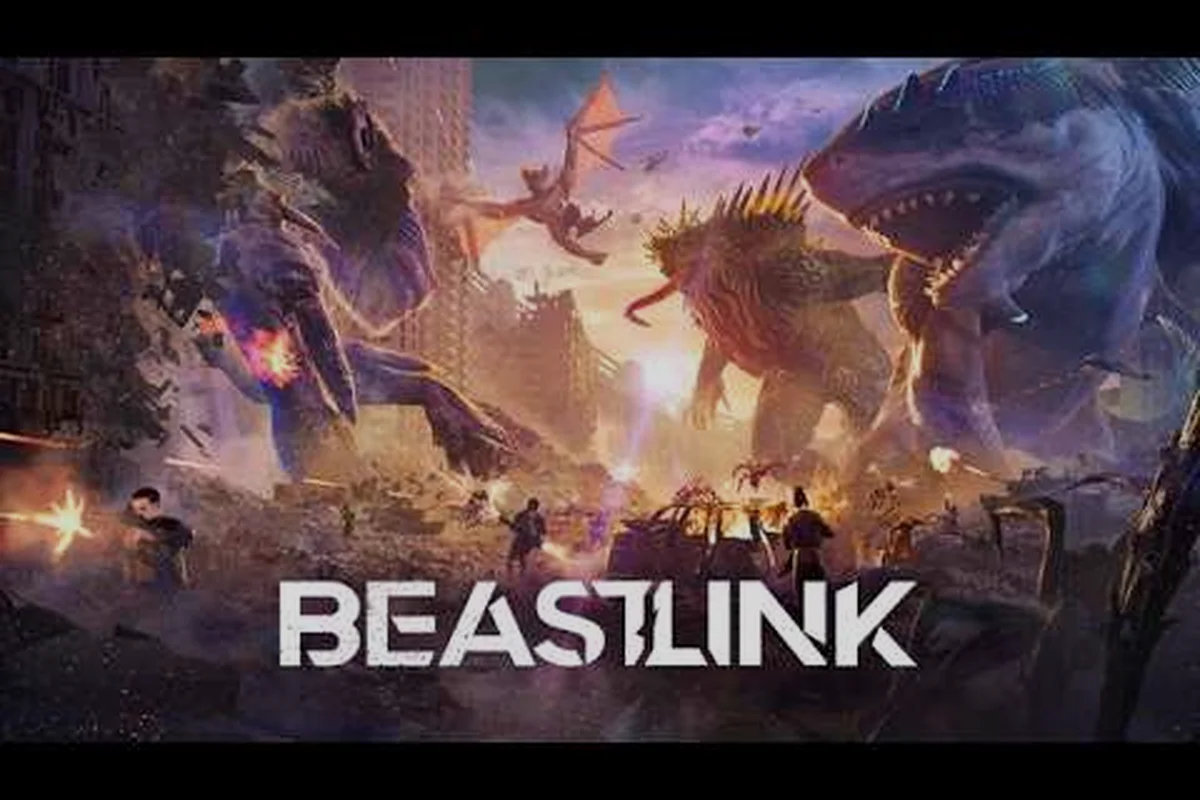
BeastLink Link System: Serum, Beasts & Progression Guide
Master the BeastLink link system with serum economy, dormant Kaiju, and how Links drive character and Beast progression each match. Plan your unlocks.

BeastLink Early Access Progression: What Carries to 1.0
Plan ahead with BeastLink early access progression, including what carries to 1.0, free unlocks, and the no pay-to-win design from Grove Street Games.