
Beasts
Every BeastLink Kaiju archetype explained — aerial hunters, close-range brutes, siege colossi and stalkers, with abilities, playstyles and squad roles.
Introduction
Beasts are the colossal Kaiju at the heart of BeastLink. While humans and vehicles fight for control of the city, players who spend enough serum can Link with a dormant Beast and take direct control of its devastating power. The developers have confirmed four Beasts will be available at the August 18, 2026 Early Access launch, with eight planned by 1.0, but their official names have not yet been revealed. What has been shown is a clear spread of archetypes, from agile aerial hunters to relentless close-range brutes. This category explains each archetype, how its abilities change the flow of a match, and which Beast suits your squad, your map and your personal playstyle.
Beast Archetype Comparison
| Archetype | Type | Tier | Signature Ability |
|---|---|---|---|
| S Aerial Hunter | Aerial | S | Swooping dive attacks that strafe city blocks from above |
| A Close-Range Brute | Brawler | A | Massive sweeping melee swipes that level entire buildings |
| A Siege Colossus | Siege | A | Ranged projectile bombardments that collapse skyscrapers |
| B Swift Stalker | Ambush | B | Stealthy pounce attacks and rapid traversal between cover |
Beast Roster
Aerial Hunter
Agile flying Kaiju archetype — high mobility, strikes from above.
Close-Range Brute
Front-line brawler archetype — devastating up close, slow to reposition.
Siege Colossus
Long-range heavy hitter archetype — dominates from range, vulnerable up close.
Swift Stalker
Ambush specialist archetype — deadly in PvE, harder to pilot to wins in PvP.
Core Mechanics
Beast gameplay in BeastLink is built around the Link system. During a match you earn serum by destroying targets, securing objectives and supporting your squad, and that serum is spent to Link with a dormant Beast. When you Link, you take direct control of a colossal Kaiju with its own unique abilities, dramatically shifting the balance of power on the battlefield. Each Beast archetype has a distinct role: aerial hunters control the sky, close-range brutes dominate dense urban streets, siege colossi break fortifications from range, and swift stalkers ambush isolated targets. Because Beasts are powerful but not invincible, managing your position, your abilities and the destruction around you is what separates a good Beast pilot from a great one.
Advantages
Linking with a Beast gives you the single most powerful presence on the battlefield. A well-played Beast can collapse buildings on enemy squads, clear an objective single-handedly, and force the entire enemy team to change their strategy to deal with you. Beast gameplay also offers the most dramatic and cinematic moments in BeastLink, which makes it extremely rewarding for players who enjoy high-impact, high-risk action. Because there are different archetypes, you can choose a Beast that matches how you like to play — aggressive brawler, patient sniper-style artillery, mobile harasser or sneaky assassin — which gives every Beast pilot a distinct identity and keeps the role fresh across many matches.
Challenges
Being a Beast makes you the biggest target on the map, and every enemy squad, vehicle and weapon will focus on you. You are slow to reposition compared to infantry and vehicles, which means skilled players can keep their distance and wear you down with rockets and anti-Beast weapons. Your movement in tight urban environments can be limited, and buildings that help you also block your path. The serum cost to Link is significant, so a wasted Beast activation can lose your squad the resource advantage. Finally, because Beast names and full ability kits are not yet officially revealed, some Beast-specific advice is based on archetype behavior and official previews rather than confirmed in-game data.
Frequently Asked Questions
How many Beasts are in BeastLink?+
How do I unlock a Beast?+
What is the best Beast for beginners?+
Can two players Link with the same Beast?+
Quick Tips
Save your Link for the right moment. A Beast is most valuable when it can swing an objective fight, so do not Link the instant you have the serum. Hold your serum through the early game, coordinate with your squad, and Link when the objective is contested or when the enemy has committed their forces to one location. A well-timed Beast activation is worth far more than an early one.
Learn each map from a Beast’s perspective. A map that feels huge on foot is actually a maze when you are a thirty-story Kaiju, so study where buildings funnel movement, where the sky is open, and where you can collapse structures onto objectives. Knowing the map lets you predict where enemy squads will be and catch them in the open.
Watch your flanks. As a Beast you are the primary target, and coordinated squads will use vehicles and rockets to keep you pinned. Keep a mobile squadmate as a spotter, retreat when your health drops, and use the destruction system to create cover for yourself. A Beast that retreats to regenerate and returns fresh is far more dangerous than one that fights to the death.
Featured
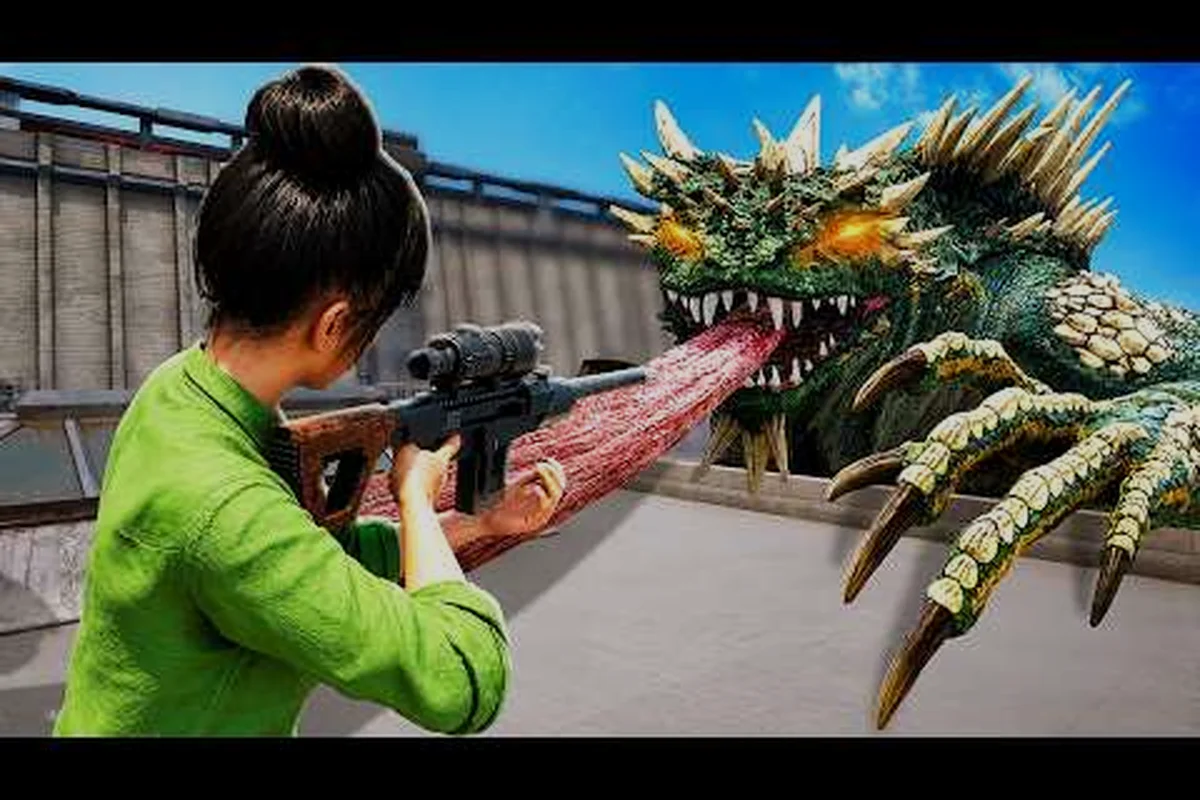
BeastLink Beasts List: Every Kaiju & Ability Guide
Browse the complete BeastLink beasts list with every Kaiju type, ability, and playstyle known before Early Access, plus how the 1.0 roster expands to eight.
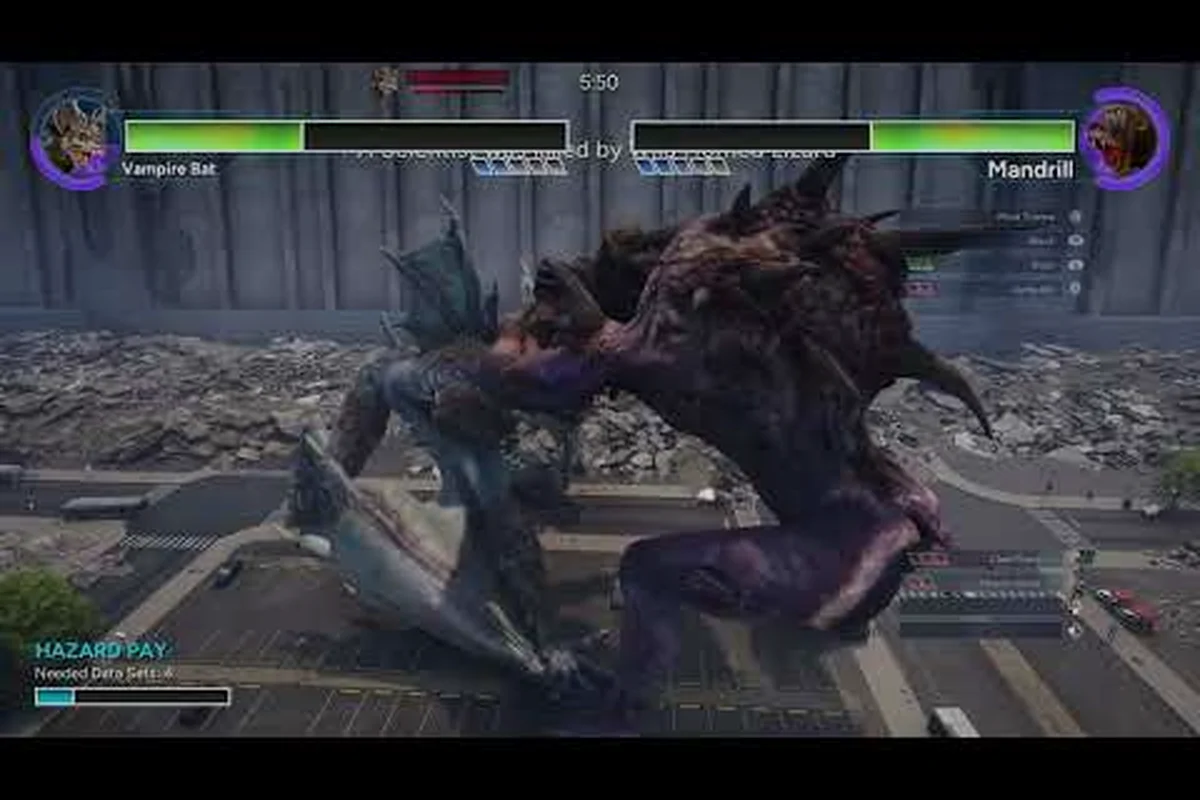
BeastLink Beast Combos: Ability Chains & Team Tactics
Chain abilities effectively with BeastLink beast combos, from solo ability rotations to coordinated team combos that turn the tide of a match.
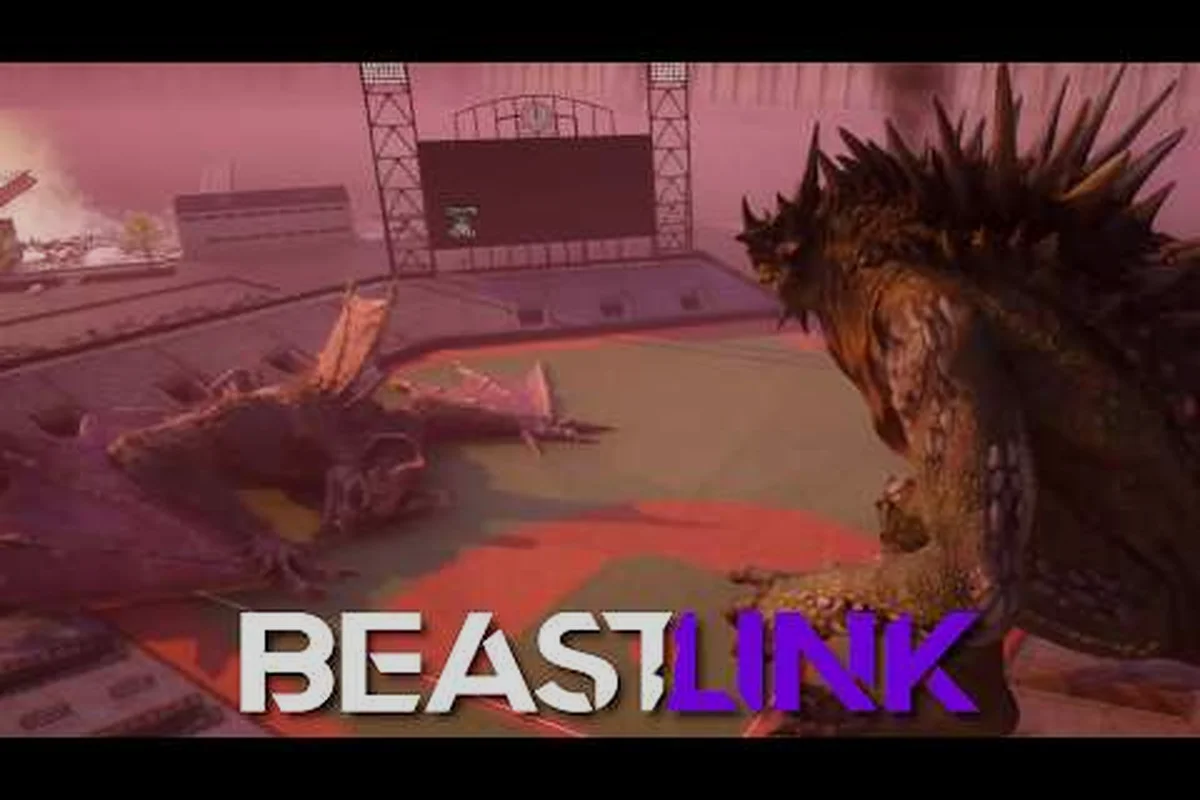
BeastLink Best Beast for PvP: Fast vs Tanky Kaiju Picks
Pick the BeastLink best beast for pvp matches with this comparison of fast, tanky, and hybrid Kaiju and how they handle enemy squads in arena fights.
All Articles
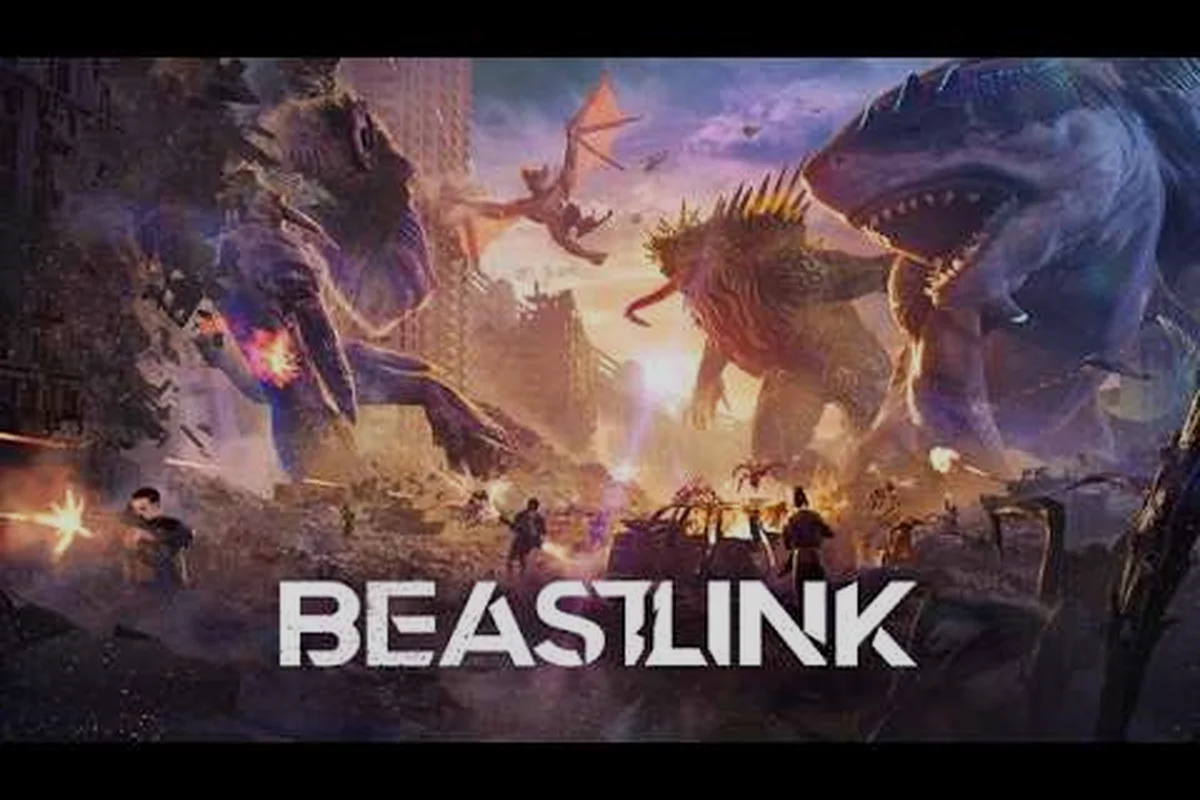
BeastLink Beast Playstyles: Strengths & Weakness Guide
Match your style to the BeastLink beast playstyles, comparing strengths, weaknesses, and how to choose a Beast that fits your squad composition.
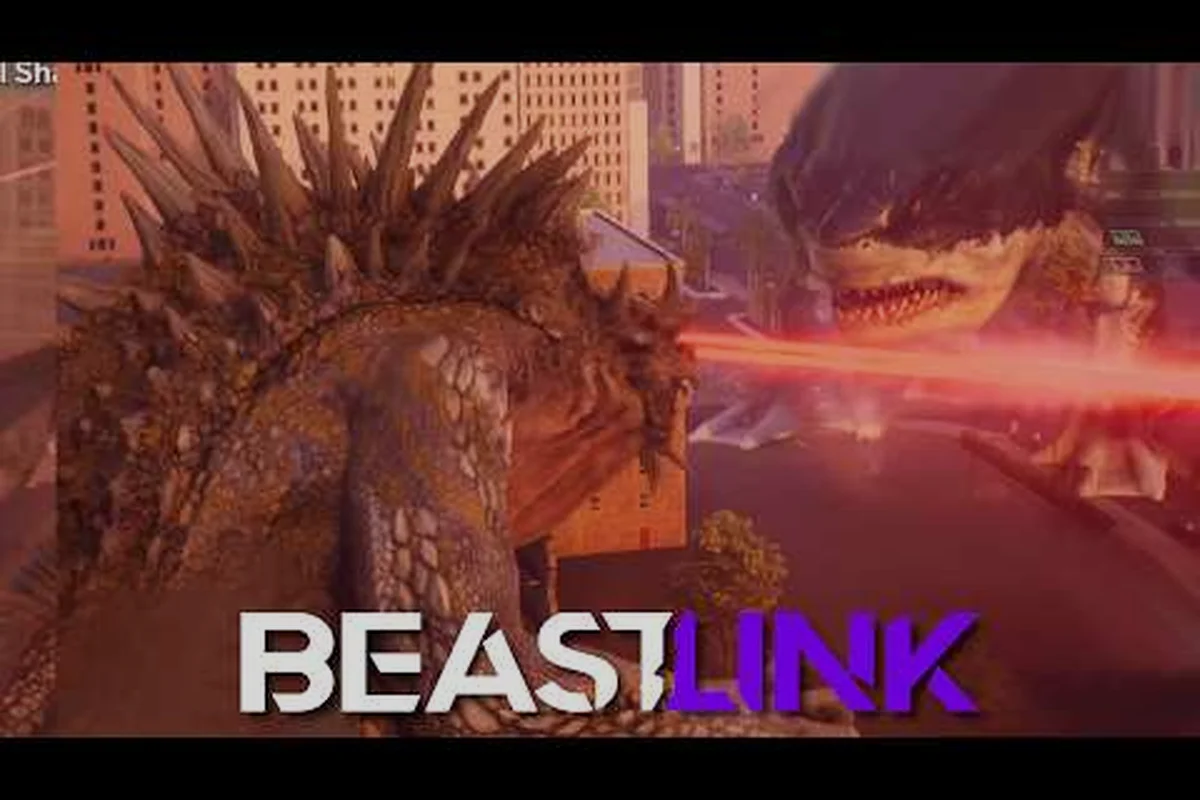
BeastLink Beast Stats: Damage, HP & the 8-Beast Roadmap
Dig into BeastLink beast stats, ability power, and the 8-Beast roadmap, including the future Beast updates planned for the 1.0 release. Pick what fits you.
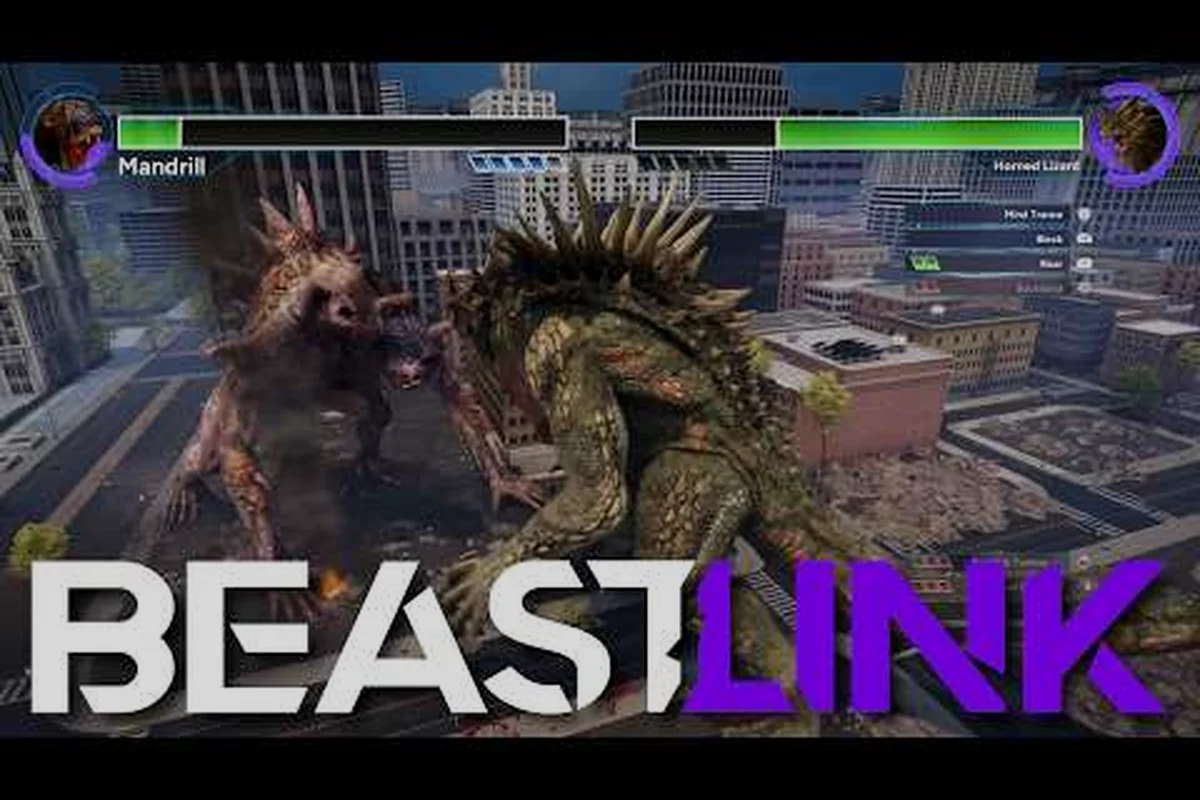
BeastLink How to Unlock Beasts: Earn Your First Kaiju
Find out BeastLink how to unlock beasts by earning serum, completing matches, and working toward your first Link with a dormant Kaiju. Pick what fits you.
BeastLink Best Kaiju: Top Picks for Every Playstyle
Choose the BeastLink best kaiju for your playstyle with this tier-style breakdown of aerial hunters, close-range brutes, and balanced all-rounders.