
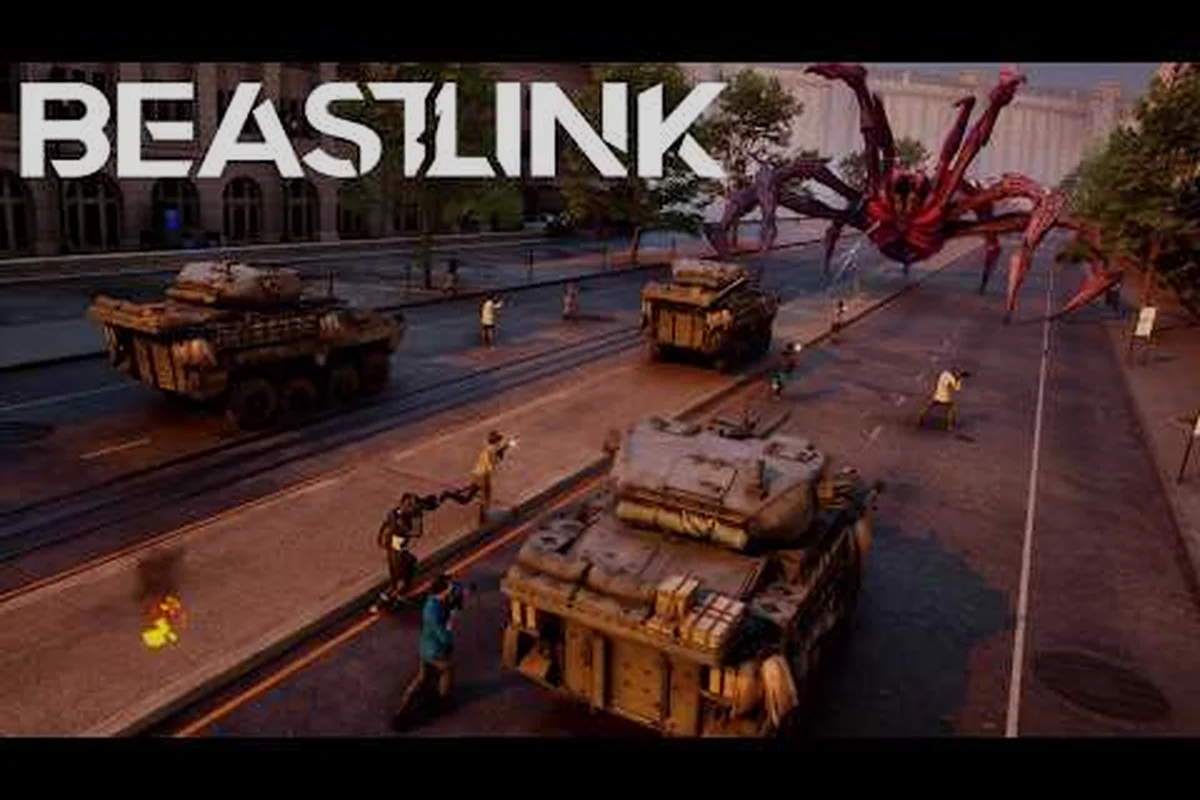
BeastLink 32 player maps push the chaos of Kaiju combat to its absolute limit, and if you are jumping into a full lobby for the first time, the sheer scale can feel overwhelming. The official website confirms that these massive battlegrounds are built for up to 32 players with multiple active Beasts roaming at once, which means every match plays like a living disaster film where you are both the special effect and the victim. Understanding how these maps work, how squads coordinate, and which communication tools actually matter will decide whether you dominate the skyline or become another crater in it.
Understanding the Scale of BeastLink 32 Player Maps
When you load into one of the BeastLink 32 player maps, the first thing you notice is how the battlefield stretches far beyond what a standard multiplayer arena offers. These aren't tight corridors or symmetrical lanes; they are sprawling city districts with fully destructible blocks, elevated highways, and underground transit systems that all become part of the tactical sandbox. The SuperDestruction system means that every building you topple changes the line of sight for everyone else, so the map itself evolves as the match progresses.
The player count directly influences how the match flows because 32 players split across human forces and Beast Links creates a constant push-and-pull dynamic. You might start as a soldier on the ground, but the serum economy means anyone can become a colossal threat mid-match. According to community data, matches on these large maps typically last between 15 and 25 minutes, which gives you enough time to build your Link meter without feeling rushed.
Here is what the standard match composition looks like on a full server:
-
Ground infantry — the majority of players start here, capturing objectives and farming serum
-
Vehicle operators — a smaller group that handles tanks, helicopters, and jets for anti-Beast support
-
Beast Links — players who spend serum to take control of dormant Kaiju, usually 2 to 4 per match
-
Support roles — medics and engineers who keep the human forces alive and vehicles repaired
The key takeaway is that BeastLink 32 player maps are designed for asymmetric warfare, not just bigger team deathmatches. Every role matters because the Beasts are powerful enough to wipe squads, but they are also vulnerable to coordinated vehicle strikes and infantry harassment. If you want a deeper breakdown of how to approach these fights strategically, the BeastLink strategy guide covers the core decision-making framework that applies at any player count.
Multiple Beasts Per Match: What Changes
The multiple Beasts per match mechanic is what separates BeastLink from other Kaiju games, because you are never fighting just one monster. On the 32 player maps, the server can host several active Beasts simultaneously, which creates alliances, rivalries, and chaotic three-way battles that shift the entire match dynamic.
The Beast Economy and Timing
Serum is the currency that unlocks Beast Links, and on a full map, the competition for it becomes fierce. The official Steam page describes the Link system as letting players spend serum to connect with dormant Kaiju, and the timing of when you spend that serum is critical. If you Link too early, you might get swarmed by vehicles before you build momentum; if you wait too long, another player might claim the Beast you wanted.
The table below breaks down the typical Beast activation windows based on community reports:
| Match Phase | Time Elapsed | Typical Beast Count | Strategic Focus |
|---|---|---|---|
| Early Game | 0-5 minutes | 0-1 | Serum farming, objective control |
| Mid Game | 5-12 minutes | 2-3 | First Beast Links, vehicle response |
| Late Game | 12-20 minutes | 3-4 | Multiple Beasts, final objectives |
| End Game | 20+ minutes | 2-3 | Exhausted serum, cleanup fights |
Coordinating When Multiple Beasts Are Active
When multiple Beasts are on the field, the human players face a brutal choice: split your forces to fight both monsters, or focus one down while the other wreaks havoc. Beast-on-Beast combat also becomes a factor, because some players will use their Kaiju to attack other Beasts rather than the human forces, which can create temporary truces or devastating betrayals.
The friendly fire system adds another layer of complexity here, because your attacks can hit allied Beasts and vehicles if you aren't careful with positioning. Community reports suggest that accidental friendly fire is one of the most common causes of squad wipes on these large maps, especially when multiple Beasts are throwing debris across the battlefield. You need to communicate your attack zones clearly, or you will spend more time apologizing than actually fighting.
Squad Roles and Team Composition at 32 Players
Winning on BeastLink 32 player maps requires more than individual skill; it demands a squad that understands its role within the larger 32 player ecosystem. The BeastLink play with friends guide approach works best when you build a squad with complementary roles that can adapt to whatever the match throws at you.
Building a Balanced Squad
A well-rounded squad of four to six players can swing a match if they coordinate properly. The table below shows a recommended squad composition based on player experience from the community:
| Squad Role | Player Count | Primary Responsibility | Key Equipment |
|---|---|---|---|
| Squad Leader | 1 | Callouts, objective priority | Binoculars, map awareness |
| Anti-Beast Heavy | 1-2 | Vehicle operation, Beast damage | Tank or attack helicopter |
| Infantry Support | 1-2 | Objective capture, serum farming | Assault rifle, medkit |
| Beast Linker | 1 | Serum management, Beast timing | Serum injector, positioning |
Communication Protocols That Work
The BeastLink voice chat system is your lifeline in these chaotic matches, but simply having a microphone isn't enough. You need clear protocols for how your squad shares information, especially when multiple Beasts are active and the noise level spikes. Veterans recommend using compass callouts for Beast positions, objective letters for capture points, and status codes for your serum levels.
One of the most effective patterns reported by players is the "one caller" rule, where only the squad leader gives tactical directions while everyone else reports enemy positions. This prevents the voice chat from becoming a screaming match when a Beast suddenly appears behind your squad. The full BeastLink multiplayer guide covers additional squad coordination tips, including how to handle cross-platform parties if your friends play on different systems.
Map-Specific Tactics and Destructible Environment Strategy
Each of the BeastLink 32 player maps has its own layout quirks that reward different playstyles, and understanding these differences gives you a significant edge. The destructible environment is not just a visual gimmick; it is a tactical resource that can turn the tide of a match if you use it deliberately.
Urban District Tactics
The urban maps feature dense skyscraper clusters that provide excellent cover for infantry but also create natural chokepoints where Beasts can funnel your forces. Collapsing a building onto a Beast is one of the most satisfying and effective tactics, because it deals massive damage while also creating a debris field that slows vehicle movement. However, you need to time this carefully, because the same collapse can crush your own squad if they are too close.
Industrial Zone Tactics
Industrial maps offer more open sightlines and fewer tall structures, which favors vehicle play and long-range Beast attacks. The elevated platforms in these zones give helicopter pilots clear firing angles, but they also expose you to anti-air fire from ground units. Players report that controlling the central factory area is usually the key to winning on these maps, because it provides the highest serum yield in the match.
The table below compares the two main map types based on community feedback:
| Map Feature | Urban District | Industrial Zone |
|---|---|---|
| Building Density | High | Medium |
| Vehicle Effectiveness | Low | High |
| Beast Visibility | Limited | Open |
| Serum Distribution | Spread out | Centralized |
| Infantry Survival | High | Medium |
For a more detailed look at how the destructible environment shapes map strategy, the BeastLink destructible environment guide breaks down each map type with specific collapse points and vehicle routes.
Advanced Communication and Friendly Fire Management
The BeastLink communication guide essentials go beyond basic callouts; they cover how to manage the chaos of a 32 player lobby where strangers and friends are fighting side by side. The friendly fire system is particularly punishing on these large maps because the sheer volume of explosions and debris makes accidental hits almost inevitable. According to BeastLink on Steam, the game’s 32-player maps are designed with dynamic spawn systems and resource distribution to balance large-scale matches.
Voice Chat Etiquette That Prevents Team Wipes
Good voice chat etiquette starts with knowing when to talk and when to stay silent. Calling out a Beast's position is valuable, but repeating the same callout every five seconds just adds noise. The community consensus is that you should give a callout once, then wait for acknowledgment before repeating it. This reduces the chance that critical information gets lost in the chatter.
Friendly Fire Prevention Protocols
Preventing friendly fire requires both discipline and awareness. The table below outlines the most common friendly fire scenarios and how to avoid them:
| Scenario | Common Cause | Prevention Method |
|---|---|---|
| Vehicle strafing allies | Poor positioning | Confirm infantry locations before attack runs |
| Beast area attacks | No warning callout | Announce Beast attacks 3 seconds before firing |
| Debris collapse | Building demolition | Check squad positions before collapsing structures |
| Suppressive fire | Overlapping fire lanes | Assign distinct fire zones to each squad member |
Friendly fire incidents can cascade quickly, because a single accidental tank shell can wipe out half your squad and leave the remaining players vulnerable to a Beast attack. The best squads develop a habit of confirming positions before any large attack, which adds a few seconds to your reaction time but saves you from catastrophic losses.
Frequently Asked Questions
How many players can join a BeastLink match?
BeastLink supports up to 32 players on the largest maps, with multiple Beasts active simultaneously. Smaller maps support fewer players, so you should check the server settings before joining. The official website confirms that the 32 player maps are designed for the full-scale Kaiju experience with maximum chaos and destruction.
Can I play BeastLink 32 player maps with my friends?
Yes, you can form a squad with friends and join the same match through the party system. The BeastLink play with friends guide recommends using the in-game party feature before searching for a server, which keeps your group together. Cross-platform play is supported, so friends on different systems can team up.
How does the BeastLink voice chat work?
BeastLink includes built-in voice chat that works automatically when you join a match. You can adjust voice chat settings in the options menu, including push-to-talk and volume levels. Squad voice chat is separate from proximity chat, which lets you coordinate with your team without giving away your position to enemies.
What happens if I accidentally hit an ally with friendly fire?
Friendly fire deals reduced damage to allies, but it can still be deadly on BeastLink 32 player maps where Beasts and vehicles create constant chaos. You will see a warning when you damage an ally, and repeated incidents can result in being kicked from the match. Communication is the best way to avoid friendly fire accidents.
How many Beasts can be active at once on the 32 player maps?
Now that you understand the scale of BeastLink 32 player maps and how to coordinate with your squad, which role are you going to try first? Share your best match moments in the comments below, and let other players know what tactics work for you on these massive battlefields.