
Maps
Explore BeastLink fully destructible maps — downtown districts, industrial outskirts and coastal ruins. Learn key zones, destruction hotspots and Beast ambush points.
Introduction
Maps are the battlefields where BeastLink’s destruction fantasy comes alive. Each map is a fully destructible urban environment built on the SuperDestruction physics system, with hundreds of thousands of destructible items, skyscrapers that collapse into new sight lines, and bridges that can be blown apart mid-match. The Early Access launch includes three maps — a dense downtown district, an industrial outskirts area and a coastal ruin — with twelve maps planned for 1.0 based on three real-world cities. Understanding each map’s key zones, destruction hotspots and Beast ambush points is essential, because the terrain shapes everything from infantry cover to vehicle lanes to where a Beast can best attack.
Map Comparison
| Map | Region | Destruction Highlights | Best For |
|---|---|---|---|
| Downtown District | Dense urban core | Skyscrapers collapse into new sight lines | Infantry and close-range Beasts |
| Industrial Outskirts | Warehouses and bridges | Open ground vehicle combat | Vehicles and long-range combat |
| Coastal Ruins | Narrow streets and highways | High-risk Beast ambush points | Ambush tactics and aircraft |
Map Guide
Downtown District
Dense urban core — skyscrapers and tight street canyons.
Industrial Outskirts
Warehouses, bridges and open ground built for vehicle combat.
Coastal Ruins
Narrow streets, elevated highways and high-risk Beast ambush points.
Core Mechanics
Map mechanics in BeastLink are defined by the SuperDestruction physics system. Every building, bridge and structure is fully destructible, and the destruction is simulated across the network so all players see the same collapses. This creates a battlefield that is never static: a skyscraper can fall and create a new lane for vehicles, a bridge can be destroyed to cut off a retreat, and a building can be collapsed onto an enemy squad. Each map has its own destruction hotspots and choke points, and understanding them is key to using the environment as a weapon. Whether you are infantry hiding in rubble, a vehicle smashing through walls, or a Beast toppling towers, the map is an active participant in every fight.
Advantages
The destructible maps give BeastLink a level of strategic depth that static arenas cannot match. Every match plays out differently because the terrain changes as buildings fall, creating emergent tactics that reward creative players. A squad that understands destruction can collapse a building on an enemy squad, destroy a bridge to trap a Beast, or open a new vehicle lane through a wall. The variety of maps — dense downtown, open industrial, narrow coastal — means every mode and playstyle has a home, and the twelve planned 1.0 maps based on real-world cities will only add more diversity. For players who love tactical sandboxes, the maps are the game’s best feature.
Challenges
The destructible maps create challenges alongside opportunities. The constant environmental changes can disorient players who relied on memorized sight lines and static cover, and a collapse at the wrong moment can trap or crush your own squad. Vehicles struggle in dense maps where their size limits movement, while infantry can be exposed when the building they are using for cover comes down. The Early Access launch includes only three maps, which can feel repetitive until the twelve planned maps arrive in 1.0. Finally, because destruction is fully simulated, performance can strain on lower-end systems when hundreds of thousands of items are being destroyed simultaneously, which ties into the system requirements discussion.
Frequently Asked Questions
How many maps are in BeastLink?+
Can you destroy everything on the maps?+
Which map is best for beginners?+
Will there be new maps added to BeastLink?+
Quick Tips
Learn the destruction hotspots on every map. Each map has buildings that are positioned to create critical sight lines when they fall, bridges that control vehicle flow, and choke points where a collapse can trap an entire squad. Memorizing these spots lets you weaponize the environment before your enemies realize what is happening.
Match your loadout to the map. Downtown rewards SMGs and close-range Beasts, Industrial Outskirts rewards vehicles and long-range weapons, and Coastal Ruins rewards ambush tactics and aircraft. Adjusting your loadout before each match is one of the simplest ways to gain an edge, since fighting with the wrong tool for the terrain puts you at a permanent disadvantage.
Never treat cover as permanent. Because every building can collapse, the wall you are hiding behind may not be there in thirty seconds. Always have a fallback position, watch for Beasts targeting your building, and use the destruction system proactively — the best players are the ones who collapse cover on their enemies before their enemies can collapse it on them.
Featured
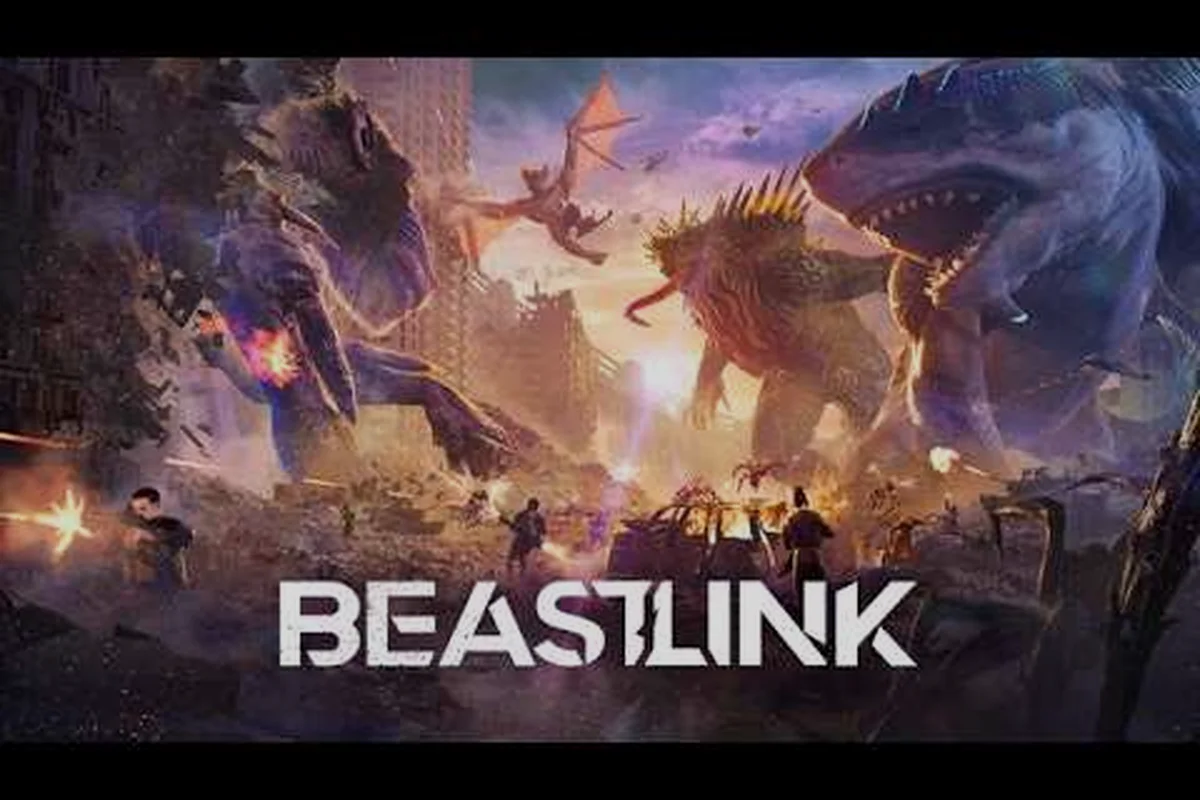
BeastLink All Maps: Downtown, Industrial & Coastal Guide
Tour BeastLink all maps in Early Access, from the dense downtown district to industrial outskirts and the high-risk coastal ruin. Learn the hot zones.
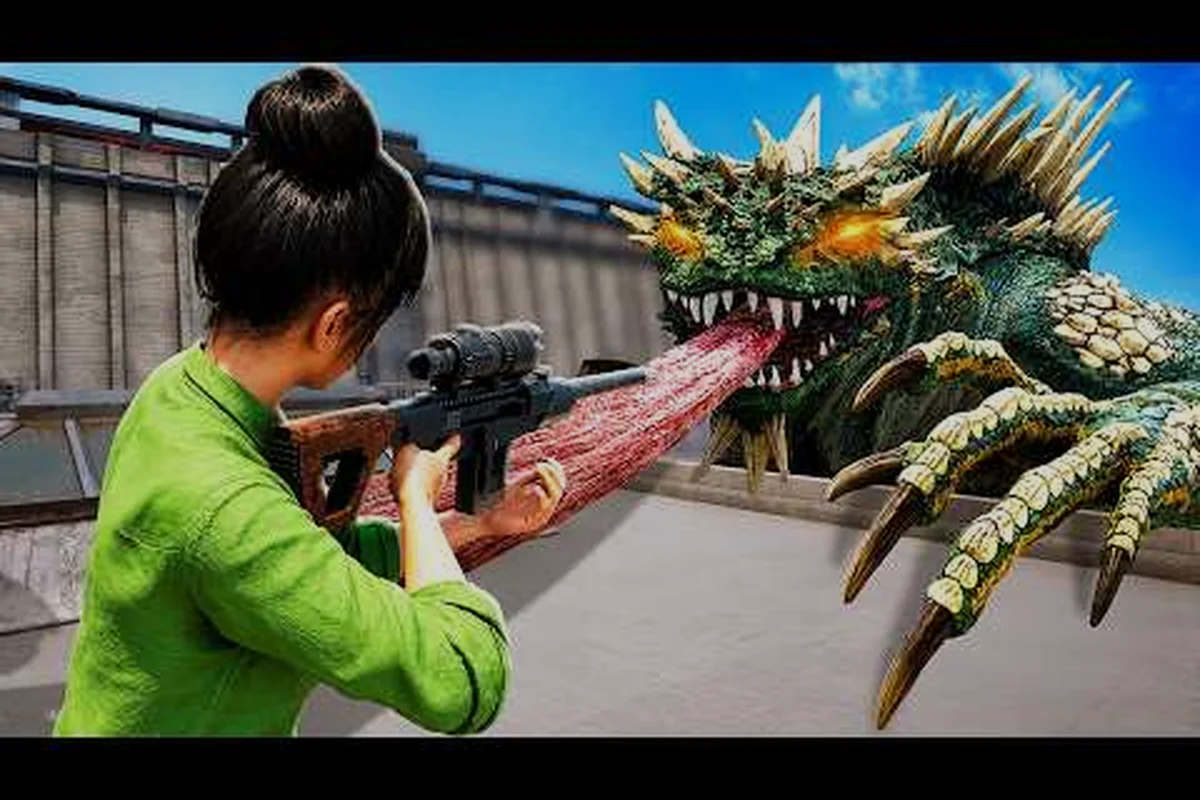
BeastLink Map Tips: Hotspots, Spawns & Landing Zones
Gain an edge with BeastLink map tips, covering hotspots, Beast spawns, landing zones, and destruction routes on every map. Learn the hot zones.
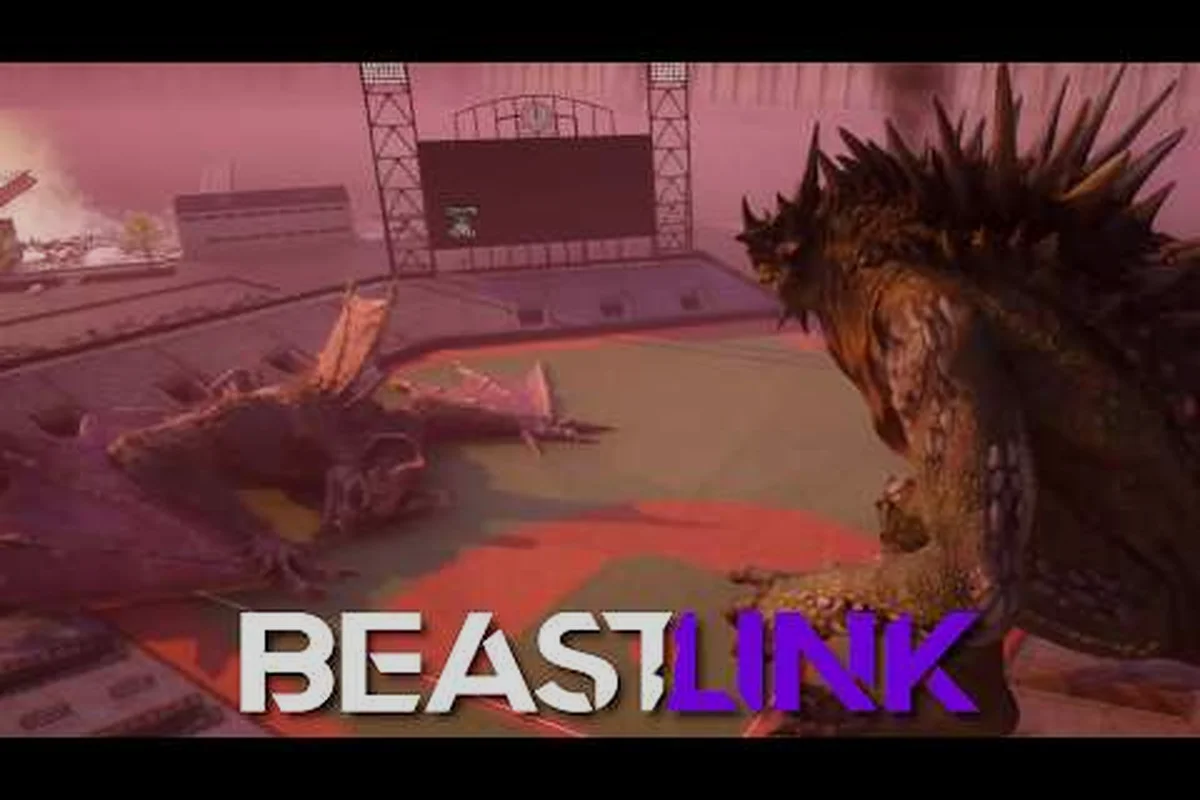
BeastLink How to Weaponize Environment & Collapse Buildings
Turn the city against foes with BeastLink how to weaponize environment tactics, collapsing buildings and using rubble as cover. Learn the hot zones.
All Articles
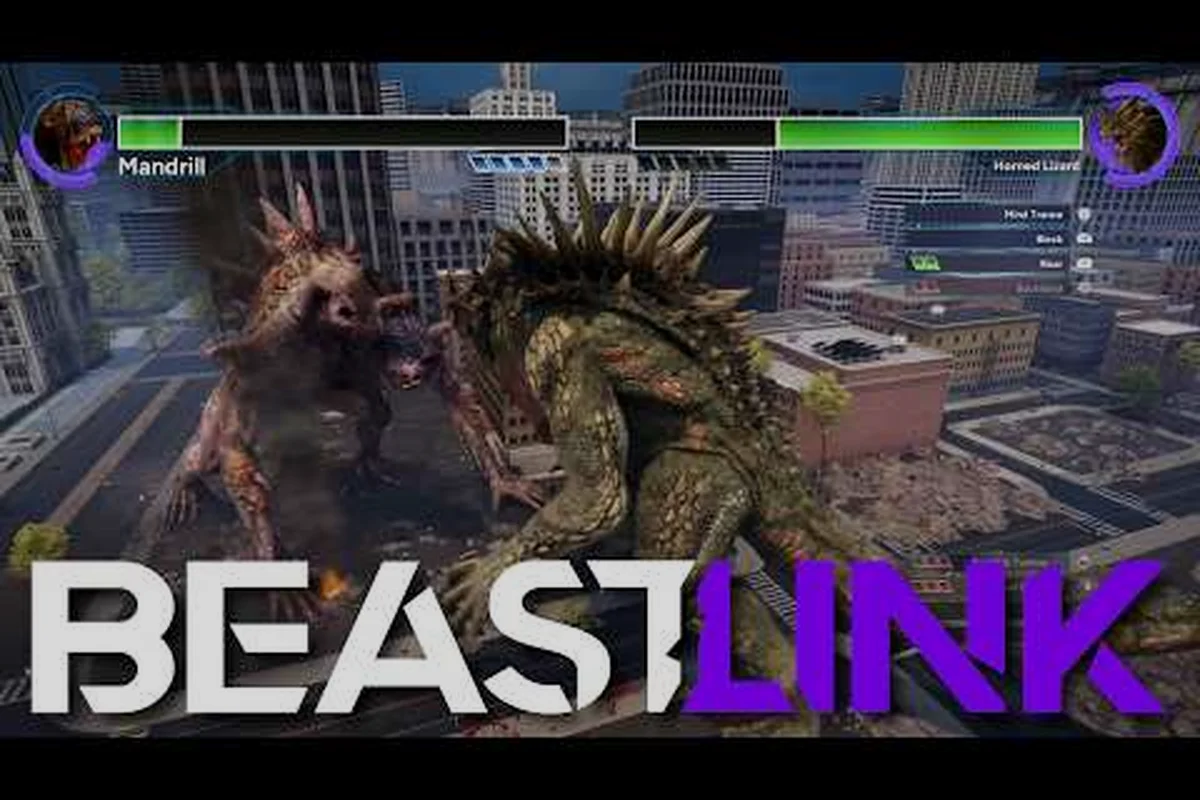
BeastLink Best Map for Beginners: Easy Zones & Safe Routes
Pick the BeastLink best map for beginners with this guide to safe landing zones, open routes, and low-risk objectives for new squads. Learn the hot zones.
BeastLink Destructible Environment Guide: SuperDestruction
Master the BeastLink destructible environment guide with SuperDestruction physics, collapse angles, and environmental kills across the maps.
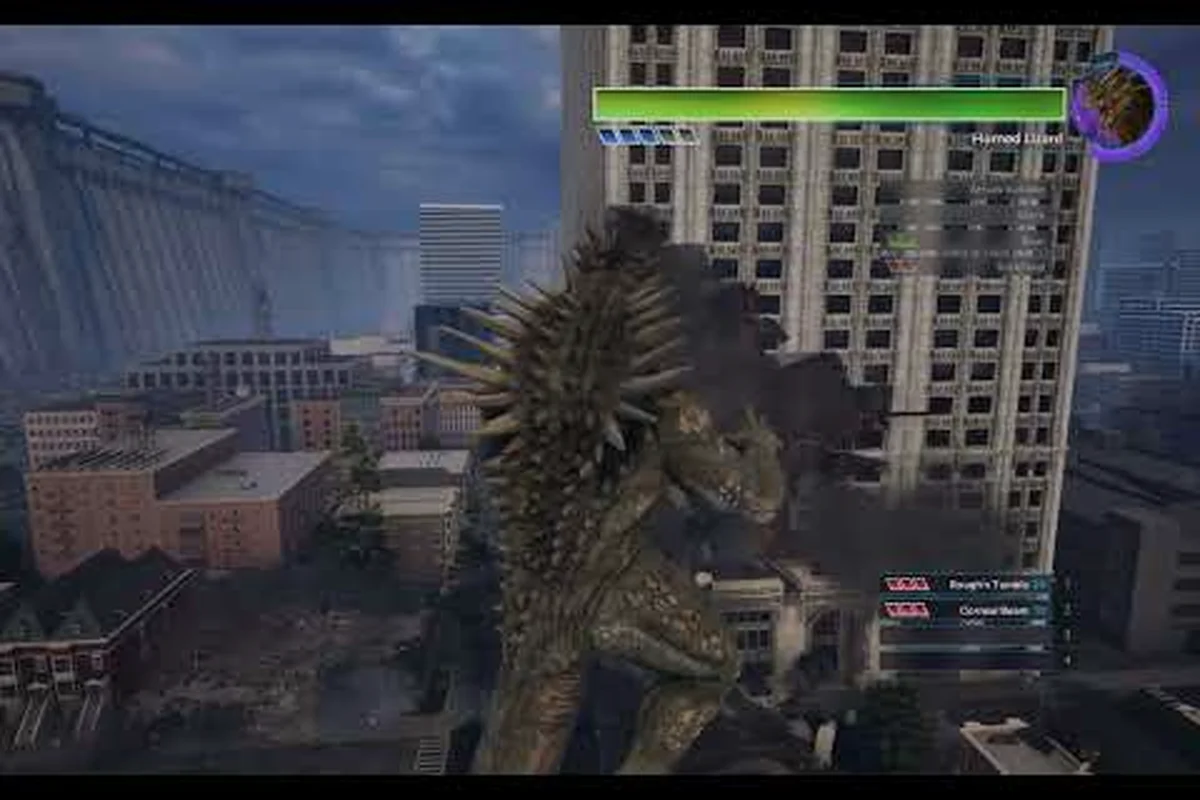
BeastLink Map Rotation: All Maps, Modes & 1.0 Lineup
Track the BeastLink map rotation in Early Access and the 12-map 1.0 lineup planned around three real-world cities for release. Learn the hot zones.